
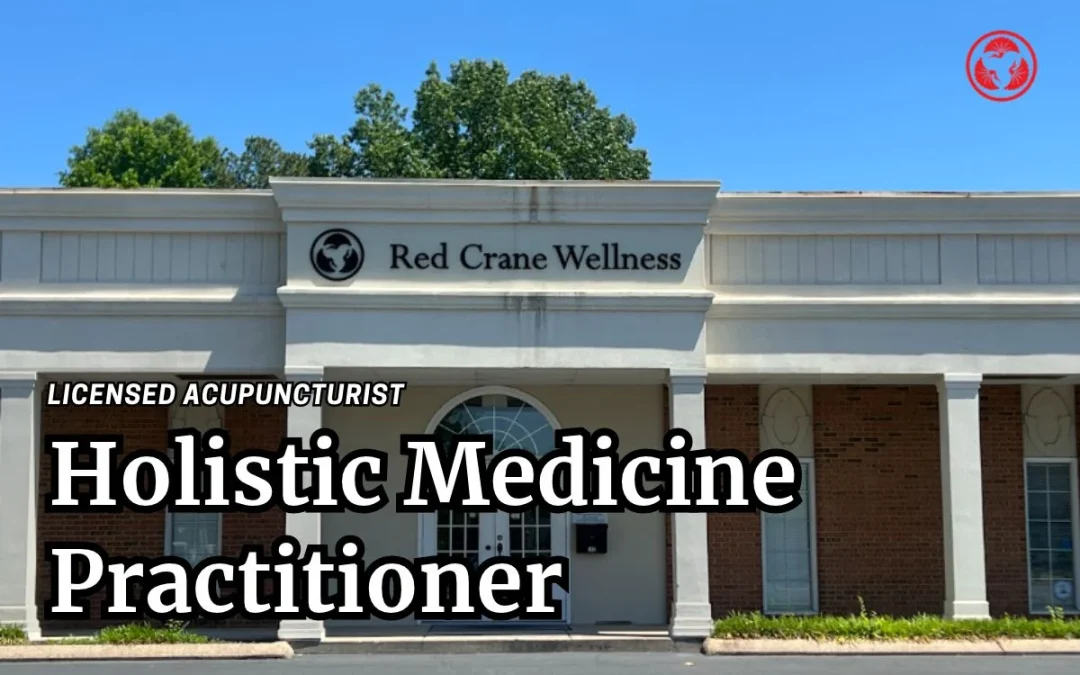
Maybe you’ve been dealing with back pain, poor sleep or stubborn digestive trouble for months. Your tests keep coming back normal, and you’re ready for someone who will look at the whole picture instead of one symptom at a time. That’s usually when people start searching for a holistic medicine practitioner in Chattanooga, and quickly notice that plenty of providers use the word “holistic” without explaining what it actually means for your care.
Here’s the short answer. A good holistic medicine practitioner holds a Tennessee license for the care they provide and can explain a clear treatment plan with a way to measure your progress. They work alongside your regular doctor rather than replacing them, and they never promise a cure. Figure out what kind of help you need first, then check the practitioner’s license with the Tennessee Department of Health before you book. The rest of this guide walks you through how to do that, from the team at Red Crane Wellness, a board-certified acupuncture clinic in Chattanooga.
What “holistic” actually means, and what it doesn’t
Holistic care treats you as a whole person. A holistic practitioner wants to know how your sleep, stress, digestion, hormones, diet and daily habits connect to the symptom that brought you in, because those pieces rarely exist in isolation. Neck pain that flares every time work gets stressful is a different problem from neck pain after a car accident, even when it hurts in the same place.
What “holistic” is not is a license or a qualification. Anyone in Tennessee can call themselves holistic, and the word tells you nothing about their training. The credential behind it is what tells you whether someone is qualified to put needles in your skin, adjust your spine, order lab work or recommend herbs. That’s why the first step is understanding who’s who.
What to look for in a holistic medicine practitioner
The right practitioner isn’t necessarily the one with the slickest website or the longest list of services. What matters most is how they work with you, and a few qualities separate genuinely good holistic care from the rest.
A license for the care they provide
Before anything else, a practitioner should hold a Tennessee license for the treatment they offer, and they should be glad to tell you what it is. For acupuncture, that means a state license backed by national board certification through the NCCAOM (now the NCBAHM), which requires years of graduate-level training, supervised clinical hours and national exams. Training is what keeps holistic care safe, so it’s worth asking about.
They listen before they treat
Holistic care starts with understanding you. A good practitioner spends real time on your first visit asking about your main concern and also about sleep, stress, digestion, energy and, for women, cycle or menopause changes. If you’re on the table within five minutes of walking in, the “holistic” part is probably missing.
A clear plan and a way to measure progress
You should leave your first appointment knowing what the practitioner thinks is going on, what they recommend, roughly how many visits it may take and how you’ll both know it’s working. That might be a pain score, a sleep log or a simple check-in after a set number of sessions. Without a plan, it’s hard to tell whether you’re improving or just spending money.
They work with your doctor, not instead of them
The best holistic practitioners see themselves as part of your care team. They ask about your medications, encourage you to keep your doctor informed and never suggest stopping a prescription on their own. Holistic care works best alongside medical care, not in place of it.
Honesty about what they can and can’t help with
No single therapy helps everyone with everything. A trustworthy practitioner will tell you where the evidence is strong, where it’s limited and when your problem needs a different kind of care. That honesty is a better sign than any promise of fast results.
Clear pricing and a comfortable clinic
You should know what a first visit and follow-ups cost before you book, along with whether the clinic accepts insurance, HSA or FSA. Pay attention to how you feel when you call or walk in, too. A calm, clean space and staff who answer questions patiently say a lot, and recent reviews from local patients will tell you whether others felt the same.
How to check a practitioner’s license in Tennessee
Checking takes about two minutes, and it’s the single best way to protect yourself. The Tennessee Department of Health has a free online license verification tool. Search by the practitioner’s name, choose the profession, and you’ll see whether their license is active, when it expires and whether any disciplinary action is on record. For acupuncturists, you can also confirm national board certification through the NCCAOM/NCBAHM directory.
If someone describes themselves only as a “holistic practitioner” or “wellness expert” and you can’t find a license under their name, that doesn’t automatically make them a bad choice for something like coaching. It does tell you they shouldn’t be diagnosing or treating medical conditions.
Seven questions to ask before your first appointment
Most good clinics offer a short phone call before you book, and these questions will tell you a lot in a few minutes.
- What license do you hold in Tennessee? Listen for a specific answer, such as L.Ac., MD, DC or LMT, not a vague one.
- Have you treated my condition before, and what results do patients usually see? An honest practitioner will give you realistic ranges, not guarantees.
- What does a treatment plan look like, and how many visits should I expect? You should hear a rough timeline before you commit.
- How will we measure whether it’s working? Pain scores, sleep logs, symptom tracking or check-ins at set points are all good signs.
- Will you work with my doctor? The answer should be yes, without hesitation.
- What does it cost, and do you take insurance or HSA/FSA? Clear pricing up front is a mark of a trustworthy clinic.
- What happens if I don’t improve? A good practitioner will tell you when they’ll reassess or refer you elsewhere.
Red flags to walk away from
Be cautious with anyone who promises to cure a serious or chronic condition, or who tells you to stop taking prescribed medication without involving the doctor who prescribed it. The same goes for anyone who pressures you into a large prepaid package or an expensive supplement bundle on your first visit, or who becomes defensive when you ask about their license. Vague answers about training, no clear treatment plan and no mention of how progress will be measured are all reasons to keep looking. Good holistic care feels collaborative and transparent. If you feel rushed, sold to or talked down to, trust that instinct.
What a good first visit looks like
A thorough first appointment usually starts with a longer conversation than you’re used to at a regular doctor’s office. Expect questions about your main complaint, your medical history and medications, and the things that seem unrelated, such as sleep, stress, digestion, energy and, for women, menstrual or menopausal changes. The practitioner should explain what they think is going on in plain language, describe the plan they recommend and give you a realistic idea of how many sessions it may take before you notice a change. You should leave knowing what happens next and how you’ll both know whether it’s working.
Why Chattanooga patients choose Red Crane Wellness
At Red Crane Wellness, every quality on this list is built into how we practice. Our acupuncturists, Dr. Ariadni Spinali, our founder, and Dr. Emily Clark, are licensed in Tennessee and nationally board certified, so you never have to wonder about the training behind your care.
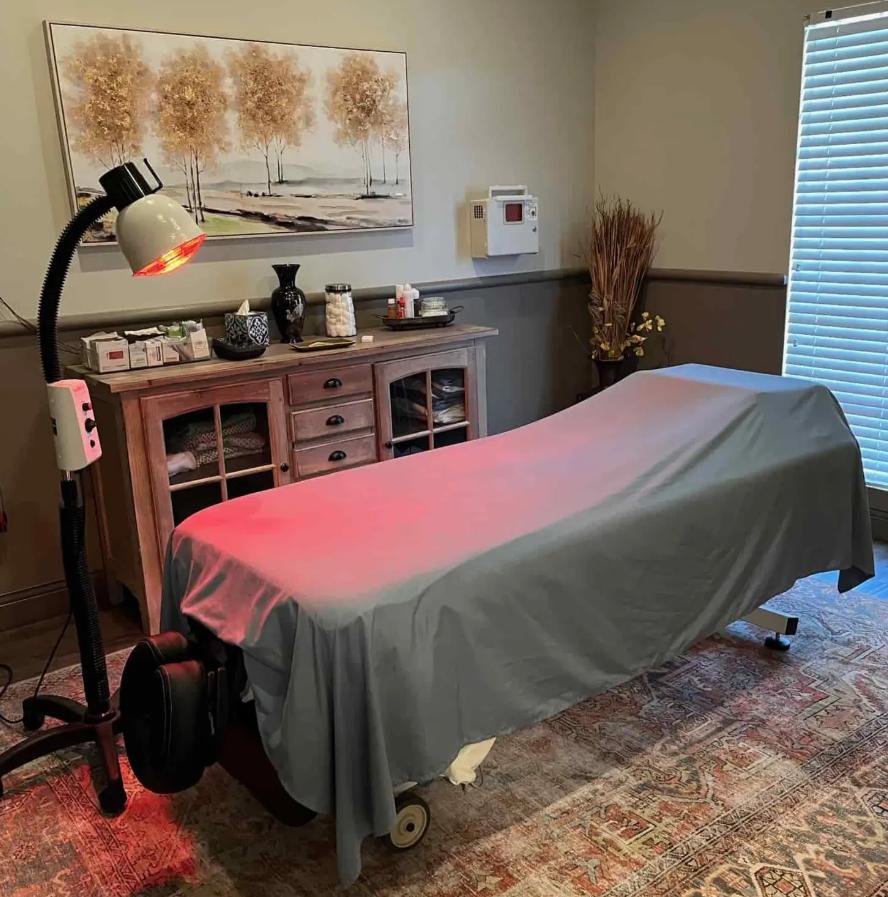
Every first visit begins with a 20-minute consultation about your full health picture before any treatment starts. You’ll leave with a personalized plan, a realistic idea of how many visits it may take and a clear way for us to track your progress together. We’re happy to work alongside your doctor, and if acupuncture isn’t the right answer for what you’re dealing with, we’ll tell you honestly.
Our pricing is simple and posted up front: $150 for your first visit and $90 for follow-ups. We don’t bill insurance directly, but we provide a superbill you can submit for possible reimbursement, and we accept HSA and FSA cards. That combination of honesty, clear planning and personal attention is a big part of why our patients have given us a 5.0 rating across more than 70 Google reviews.
We help people with pain relief, migraines and headaches, insomnia, neuropathy, women’s health, stress and anxiety, and digestive disorders, using acupuncture alongside cupping, gua sha and Chinese herbal therapy where they help. To learn more about our approach, read our guide to acupuncture in Chattanooga.
Book your visit
Not sure whether acupuncture is right for you? Call (423) 702-3000 for a free 5 to 10 minute phone consultation, or book online. You’ll find us at 6150 Shallowford Rd, Suite 102, Chattanooga, TN 37421, convenient to Brainerd, Hixson, Ooltewah and Signal Mountain.
Frequently asked questions
What does a holistic medicine practitioner do?
A holistic medicine practitioner looks at how your whole health fits together, including sleep, stress, digestion, diet and daily habits, rather than treating one symptom on its own. At a licensed acupuncture clinic like Red Crane Wellness, that means acupuncture, cupping, gua sha and Chinese herbal therapy, guided by a plan built around you.
Is a holistic medicine practitioner the same as a doctor?
Not always. Some are medical doctors who practice functional or integrative medicine. Others, like acupuncturists, chiropractors and massage therapists, are licensed providers with different training and a different scope of practice. Ask which license they hold.
How do I check if a holistic practitioner is licensed in Tennessee?
Use the Tennessee Department of Health’s free online license verification tool. Search by name and profession to see whether the license is active and whether any disciplinary action is on record.
How long does holistic treatment take to work?
It depends on the condition and how long you’ve had it. Many people notice some change within a few sessions, while long-standing problems usually take longer. A good practitioner will give you a realistic timeline at the start and check your progress along the way.
Can I see a holistic practitioner while taking prescription medication?
In most cases, yes. Share your full medication list, keep your prescribing doctor informed, and only take herbs or supplements with guidance from a qualified practitioner, since some can interact with medications.